
Noor Quran: Prayer Times
Novum Media FZCOBooks & Reference
4.812.00 Reviews
- Version
- 1.6.3
- Installs
- 100.00K
- Age Rating
- Everyone
Screenshots

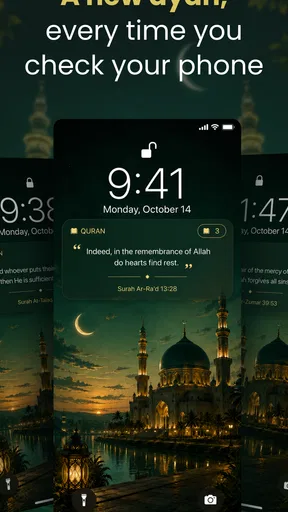
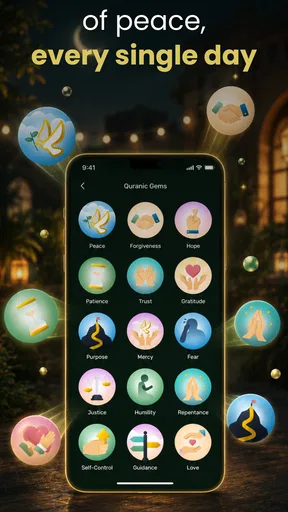
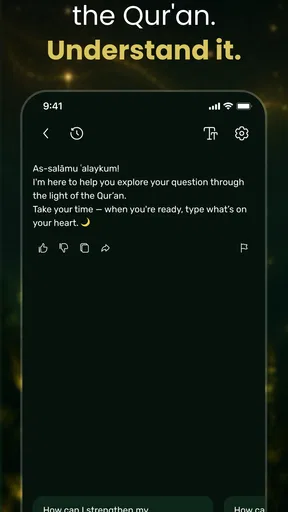
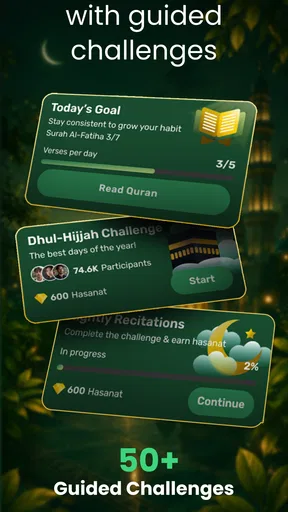
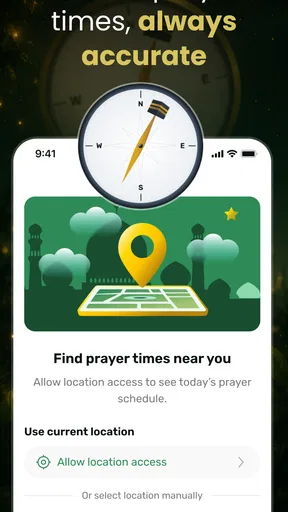
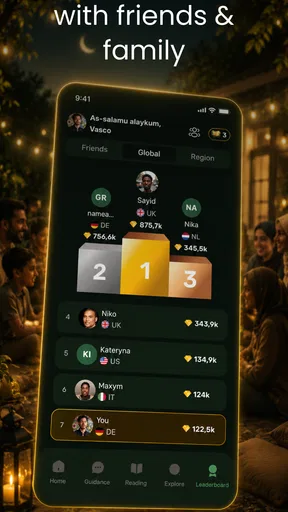
Our Review of Noor Quran: Prayer Times
 Analysis by Appyee
When I use a Quran app, I want it to feel dependable in the moments when I actually need it: before prayer, while reading a passage, when I am travelling, or when I need a clearer explanation of a verse. Noor Quran: Prayer Times takes that practical approach by bringing Quran reading, tafsir, audio, the Mushaf, prayer times, Adhan, and Qibla tools into one place. I found the combination useful because it reduces the need to move between several separate apps, although the all-in-one design also means that the experience depends on how well you organise your use of each section.
This is a free Books & Reference app from Novum Media FZCO, aimed at Everyone and available for Android devices running version 7.0 or later. It has reached over one hundred thousand installs and holds a 4.8 average from around ten thousand ratings, which suggests that many people find its central idea worthwhile. I would not treat those figures as a substitute for trying it yourself, but they do indicate that it is more than an obscure utility with a narrow audience.
How Noor Quran fits into everyday worship
The strongest part of the concept is the way the app connects reading with the daily rhythm around it. Instead of opening one app for the Quran, another for prayer schedules, another for the direction of the Kaaba, and a separate audio player, I can begin in one environment and move between related tasks. That is especially convenient when my phone is already in my hand and I want to avoid a distracting search through several icons.
The Quran section is the centre of the experience. The Mushaf presentation gives the app a more focused reading purpose than a general religious reference app, while tafsir adds a layer for readers who do not want to stop at the translated surface of a passage. I appreciate that distinction because reading for recitation and reading for understanding are not always the same activity. A clean page can support a short daily session, while explanation can help when I have more time to reflect.
Audio changes the way the app can be used. I can imagine reading along during a quiet break, listening while preparing for prayer, or using the recitation as a slower way to revisit a familiar surah. The useful point is not simply that audio exists, but that it gives the app a second mode: it can serve someone who is not ready to read from the screen at that moment. That makes it more flexible than a basic text-only Quran.
The prayer tools make the app more practical than a conventional Quran reader. Prayer times and Adhan are aimed at reminders and daily awareness, while Qibla is there for the occasions when I am away from my usual surroundings. These features matter most when they remove a small but recurring uncertainty. At home I may already know my routine, but in a hotel, workplace, airport, or unfamiliar neighbourhood, having related tools together can save time.
The real strength is not the number of sections; it is the way one short session can move from reading to understanding, listening, and prayer preparation without changing apps. That workflow feels natural for users who want a single spiritual reference point rather than a collection of specialised tools.
What happens when the connection is part of the experience
Connectivity shapes how comfortable the app feels. Any experience involving current prayer information, location-related direction, audio access, or content that is being loaded may be more convenient when the phone has a reliable connection. I would therefore set up the app and review its important screens before leaving home, rather than waiting until I am standing somewhere unfamiliar with weak reception.
This is not just a technical concern. A travelling user may open the app in a basement, on public transport, in a crowded venue, or in a country where mobile data is expensive. In those situations, the difference between a screen that is immediately ready and one that needs to load can affect whether the app feels reassuring or frustrating. I would not make assumptions about offline availability, so I would test the exact reading, audio, prayer, and Qibla workflows I expect to use before depending on them.
A sensible routine is to open the app while connected, check the next prayer information, and make sure the relevant reading or listening session is accessible. If I am travelling, I would also verify that the location-related parts behave as expected after moving between places. This takes little effort and is more useful than discovering a limitation at the moment I need the app most.
For a user with a stable home connection, this may barely be noticeable. For someone who spends much of the day moving between networks, it becomes part of the product experience. Noor Quran is most comfortable when treated as a connected companion that should be prepared before a low-signal situation, not as a tool I can automatically assume will behave identically everywhere.
Using it on a small screen, during travel, and between tasks
Mobile religious reading has a different rhythm from reading a physical book. I may have only a few minutes, one hand available, or enough battery for a brief session. In that context, the app’s combined design is helpful because I do not need to decide which separate utility to open. I can check prayer information, read a short passage, or consult tafsir without turning the phone into a complicated project.
The best everyday scenario for me would be a workday with an unfamiliar schedule. I could check the upcoming prayer time, use the Qibla tool if the prayer space is new, and then read a passage while waiting. Later, audio could make the same app useful during a quiet commute or at home. That sequence shows why the app is more useful than a simple digital Quran: it supports the surrounding decisions as well as the reading itself.
Travellers may find the combination particularly appealing, but they should approach location-sensitive tools thoughtfully. A Qibla result is only useful if the phone is being used in a suitable setting and the user understands that a digital direction tool is a guide rather than a replacement for common sense. I would hold the phone steadily, avoid checking it beside obvious magnetic interference, and compare the result with the surroundings when accuracy matters.
On a smaller display, tafsir can also change the reading pace. Explanatory material is valuable, but it may make a short session feel denser than simply reading the Mushaf. My advice is to decide what kind of session I want before opening the app: recitation, focused reading, listening, or study. That small choice prevents the all-in-one design from becoming a source of distraction.
The same applies to notifications and Adhan-related use. Reminders can support a routine, but they can also interrupt work, study, or sleep if they are not configured to match personal preferences. I would treat alert settings as part of the initial setup rather than accepting every option automatically. The app becomes more helpful when it follows my day instead of competing with it.
What I would do when something fails
Recovery is important for an app used around fixed prayer times. If a screen does not load, my first step would be to check the connection and reopen the relevant section rather than repeatedly tapping every control. A temporary network issue can look like a content problem, especially when moving between Wi-Fi and mobile data. Closing and reopening the app after the connection stabilises is a simple first test.
If prayer information looks unexpected after travelling, I would check the device’s location settings and the selected place before assuming the schedule is wrong. A change in location, time zone, or device configuration can affect what I see. I would also compare the displayed time with a trusted local source when precision is important, particularly during travel or in a new community where calculation expectations may differ.
Qibla problems deserve a different response. If the direction appears to shift, I would move away from possible interference, hold the phone level, and repeat the check. I would not rely on a single reading in a difficult indoor environment. The app can be a convenient aid, but a user still needs to interpret the result sensibly.
Audio interruptions are similarly easier to manage when I separate the possible causes. I would first check whether other app content loads, then whether the problem is limited to listening. If the network is unstable, changing location or waiting for a stronger connection may help. If the phone is busy or low on resources, closing unrelated apps can make the session smoother. These are ordinary troubleshooting steps, but they matter more when the app is being used in a quiet, time-sensitive moment.
I also recommend keeping a backup habit. That does not mean carrying another full Quran app for every situation. It can simply mean knowing the prayer schedule for the day, having a familiar physical Mushaf available, or remembering the local direction in places I visit often. Noor Quran can reduce dependence on several tools, but no phone app should be the only plan when a prayer time or reading session is important.
Using the app without wasting mobile data
Users on limited data plans should pay attention to how they use audio and other connected sections. Reading a short passage and checking a prayer time are different from spending a long period listening. I would reserve extended audio sessions for Wi-Fi when possible and use mobile data deliberately while travelling. This is a practical compromise that preserves the app’s usefulness without treating every feature as equally light on data.
It is also worth avoiding unnecessary repeated loading. If I know I will return to the same passage, I would keep the reading session focused instead of jumping constantly between sections. The same applies to checking prayer information: I would look at it when planning the day, rather than reopening it every few minutes. These habits make the app feel calmer and reduce needless network activity.
Battery use is another mobile consideration. Audio playback, screen brightness, location services, and a weak signal can all make a phone work harder. I would lower brightness during longer reading, avoid leaving the screen active when I am only listening, and make sure the phone has enough charge before a long journey. The app is not automatically a problem for battery life, but the way I combine its features can make a noticeable difference.
Privacy-conscious users should also take a measured approach to location-related tools. I would enable only the device settings needed for the experience I want and review them after setup. That is not a criticism specific to Noor Quran; it is simply good practice for any app that helps with location-sensitive information. The important point is to understand which functions I am actively using instead of granting attention to every option without checking.
The in-app purchase range is another reason to be deliberate. The app itself is free, while individual purchases range from $0.99 to $59.99. I would explore the free experience first and decide whether any optional purchase solves a real need for me. A reader who only wants basic Quran access and occasional prayer information may not need to spend anything, whereas a frequent user may consider an extra purchase worthwhile if it improves a workflow they use regularly.
Where it beats separate apps, and where it does not
Compared with a dedicated Quran reader, Noor Quran’s advantage is breadth. A specialised reader may feel more focused if all I want is a carefully controlled reading environment with no interest in prayer utilities. Noor Quran is better suited to someone who wants reading, tafsir, audio, prayer times, Adhan, and Qibla in one destination. The trade-off is that a broader app can feel less minimal than a single-purpose tool.
Compared with a prayer-times app, its advantage is context. I can move from a schedule to Quran content without leaving the same app. However, someone who mainly needs highly customised alerts and rarely reads may prefer a dedicated prayer utility that puts every setting around notifications first. Noor Quran makes more sense when prayer tracking is part of a wider daily practice, not the only requirement.
Compared with a streaming audio app, its value is focus. The listening experience is connected to Quran reading and tafsir rather than a general media library. That is useful when I want a purposeful session. It is not the right choice if I am looking for broad audio discovery, social features, or the flexibility of a general player.
The app is also not ideal for every reader. I would suggest looking elsewhere if a person needs a very specific scholarly edition, a particular language arrangement, advanced study tools, or a completely offline-first workflow that has been tested in advance. I would also hesitate to recommend relying on it alone for exact local prayer practice without checking whether its displayed schedule matches the conventions used by the user’s mosque or community.
For most people, the decision comes down to convenience versus specialisation. Noor Quran offers a broad set of connected tools and is especially appealing to someone who dislikes switching between apps. A collection of separate, carefully chosen utilities may still be better for a user who wants maximum control over each individual function.
My practical setup and who should try it
My preferred setup would begin with a calm test at home. I would open the Mushaf, read enough to understand the page behaviour, try tafsir on a passage I know, and listen to a short audio session. Then I would check prayer information and Qibla in the place where I normally pray. This gives me a realistic sense of the app before I depend on it outside.
After that, I would create two habits: one short reading routine and one travel routine. The first might involve opening the app at a consistent time and choosing either reading or audio rather than trying to use every feature at once. The second would involve checking the next prayer, confirming the location-related tools, and preparing for possible weak connectivity. This separation keeps the app useful without making each visit feel crowded.
I would recommend it to Muslims who want a free starting point for combining Quran reading with daily prayer support, especially students, commuters, travellers, and people who prefer one app over several. The Everyone rating also makes it approachable for households where different ages may use the same device, although each person will still have different preferences for reading style, alerts, and study depth.
The current release is version 1.6.3, so I would keep an eye on the app’s behaviour after updates and repeat my travel checks if a feature important to me changes. That is particularly sensible for prayer tools and connectivity-dependent routines. An update can improve an experience, but it is still wise to verify the screens I rely on rather than assuming every setting remains exactly as before.
One detail I like about the app’s positioning is that it does not force me to choose between devotion and reference work. I can use it briefly or spend longer with tafsir and audio. The best results come from treating it as a flexible companion, not as a replacement for personal judgement, local practice, or a backup plan in difficult network conditions.
My final view on Noor Quran: Prayer Times
Noor Quran is a thoughtful all-in-one Quran and prayer app whose main benefit is the connection between several everyday needs. I found the combination of Mushaf reading, tafsir, audio, prayer times, Adhan, and Qibla more useful than a simple reading app when I wanted one place for preparation, worship, and reflection.
Its limitations are mostly practical. Network conditions can shape the experience, location-based tools deserve sensible checking, audio may be better suited to Wi-Fi for data-conscious users, and people seeking a highly specialised or offline-first solution should test it carefully before making it their only option. The free entry point is welcome, while the optional purchases mean I would explore the core experience before paying for anything.
Overall, I would recommend giving it a try if your ideal Quran app is broad, mobile-friendly, and connected to the rest of your prayer routine. I would prepare it before travelling, confirm the settings that matter locally, and keep a simple backup for low-signal moments. Used that way, Noor Quran feels less like a crowded bundle of features and more like a practical daily reference that can stay with you wherever your routine takes you.
Verdict
Strengths of Noor Quran: Prayer Times
- Accurate prayer schedules with multiple calculation methods available.
- Includes a Quran reader for convenient daily recitation.
- Useful Qibla direction tool for travelers and new locations.
- Prayer notifications help users maintain a consistent worship routine.
- Supports fasting needs with suhoor and iftar time information.
Limitations of Noor Quran: Prayer Times
- Some features may require location access to work correctly.
- Calculation differences can cause times to vary by region or authority.
- Notification reliability may depend on phone battery and background settings.
- The interface may feel crowded for users seeking a simple prayer clock.
- Ad-supported elements may reduce the experience for some users.
Similar Picks in This Category
View All
Google Play Books & Audiobooks
Google LLC4.7

네이버 - NAVER
NAVER Corp.3.5

Wattpad - Read & Write Stories
Wattpad.com3.7

King James Bible - Verse+Audio
Ozion4.8

Bible Offline-KJV Holy Bible
Bíblia Offline4.9

Amazon Kindle: Reading App
Amazon Mobile LLC4.8
Frequently Asked Questions
What is Noor Quran: Prayer Times, and what can I use it for?
Noor Quran: Prayer Times is designed to support daily Islamic worship by combining Quran access with prayer-time information. After reviewing the app, its main purpose is to help users read Quranic content and check the five daily prayer times according to their location. It can be useful for maintaining a regular routine, although the accuracy of prayer schedules depends on correct location settings and the calculation method selected.
Does Noor Quran: Prayer Times require my location, and is it safe to allow access?
The app may request location permission to calculate prayer times accurately for your current city or region. You can usually choose whether to grant this permission, but refusing it may require entering a location manually and could reduce convenience. Before downloading, users should review the app’s privacy information and device permissions, particularly if they prefer not to share precise location data while using religious or utility applications.
Are the prayer times in Noor Quran: Prayer Times accurate?
Prayer times are calculated using astronomical data, your selected location, and a chosen calculation convention. During testing, the displayed schedule was useful for everyday planning, but users should not assume that every setting matches their local mosque or authority. It is important to verify the city, time zone, daylight-saving setting, and calculation method, especially when traveling or living near regional boundaries.
Can I read the Quran without an internet connection?
Offline availability can depend on the version of Noor Quran: Prayer Times and which content has already been downloaded or stored on the device. Users should open the Quran section while connected to the internet and check whether pages, translations, audio, or other resources remain accessible offline. If offline reading is essential, test the app in airplane mode before relying on it during travel.
Is Noor Quran: Prayer Times free, and does it contain advertisements or optional purchases?
The app may be available as a free download, but the exact experience can vary between Android and iOS and may change through updates. Some versions of religious apps include advertisements, premium features, or optional purchases related to content and customization. Check the store listing carefully before installing, including subscription details, in-app purchases, and whether any advertised features require payment.
